

Europe's most beautiful Christmas markets on a budget: where to fly and how to see more than one
From Colmar to Nuremberg, from Vienna to Tallinn: 18 cities with Europe's most famous Christmas markets, how to reach them on low-cost flights, and how to link them by bus to visit several in one trip.
Updated on 17 September 2026
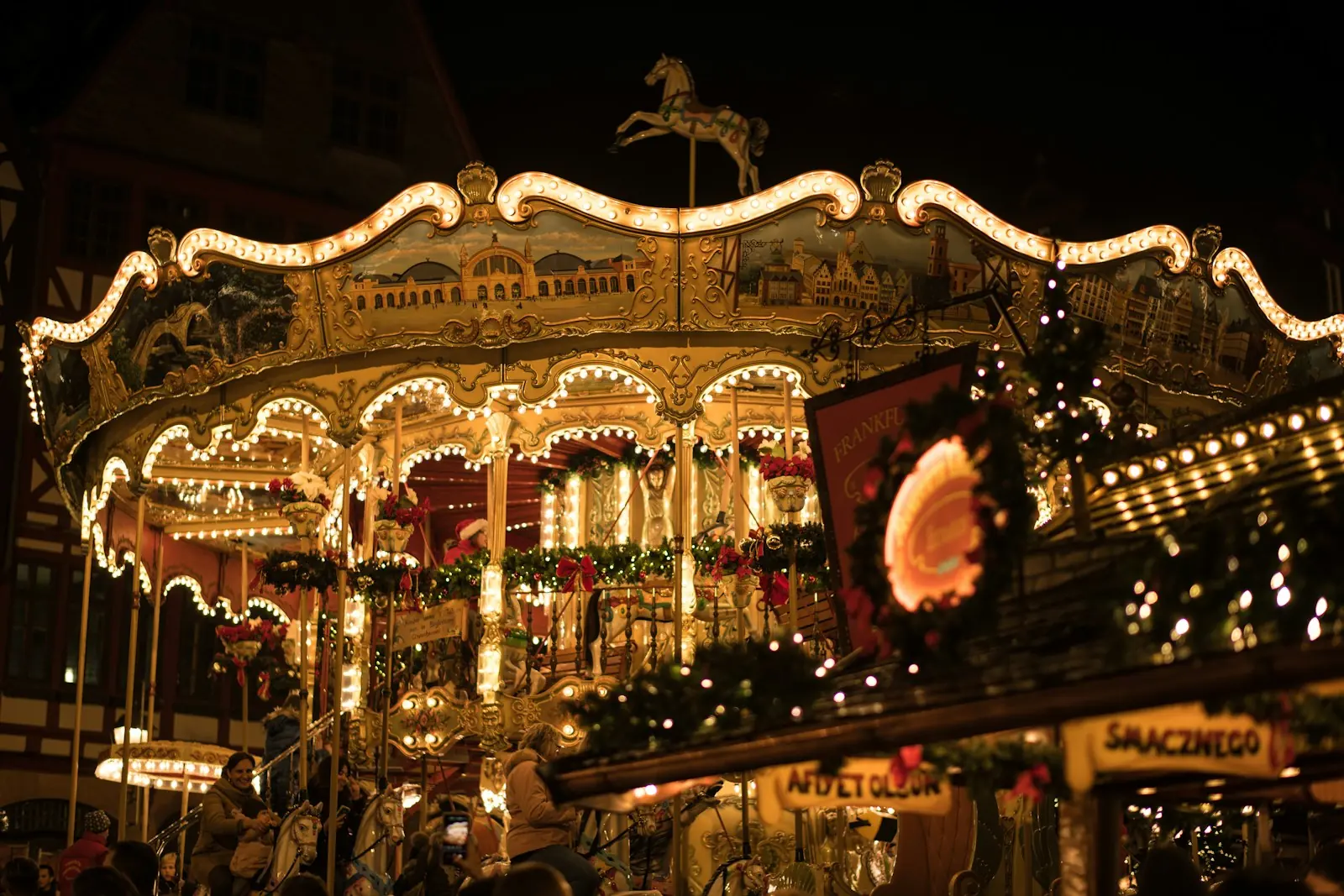
At a glance
- The markets usually open between late November and early December and close around Christmas; some stay open into the first days of January. Dates change every year, so always check the city's official website.
- To keep costs down: book your flight between September and October, avoid your country's public holidays and long weekends as well as the weekends right before Christmas, and go midweek if you can.
- The city doesn't need its own airport with low-cost flights: it's often cheaper to land at a nearby airport and carry on by bus or train. Colmar, for example, is reached by flying into Basel-Mulhouse.
- Many Christmas market cities are close to one another: with one flight and a few hours on the bus, you can see two or three in the same trip.
Bus and train times are approximate: check them on the operator's website before booking.
Austria
Vienna
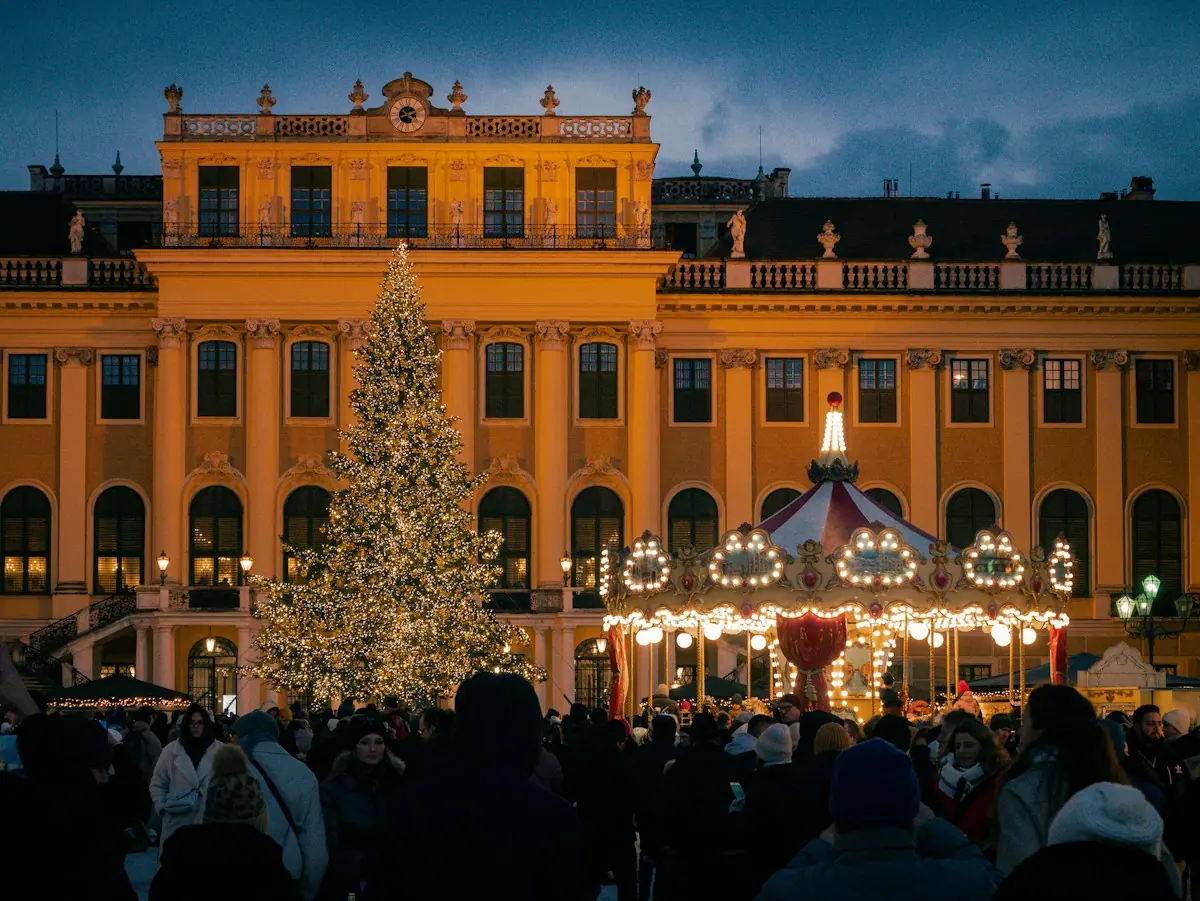
Home to some of Europe's most famous markets: the one outside the Rathaus, those at Schönbrunn and the Belvedere, and dozens of small neighbourhood markets.
Getting there on a budget: fly to Vienna, or to Bratislava and take the bus for about an hour to central Vienna. Landing in Slovakia is often cheaper.
Salzburg
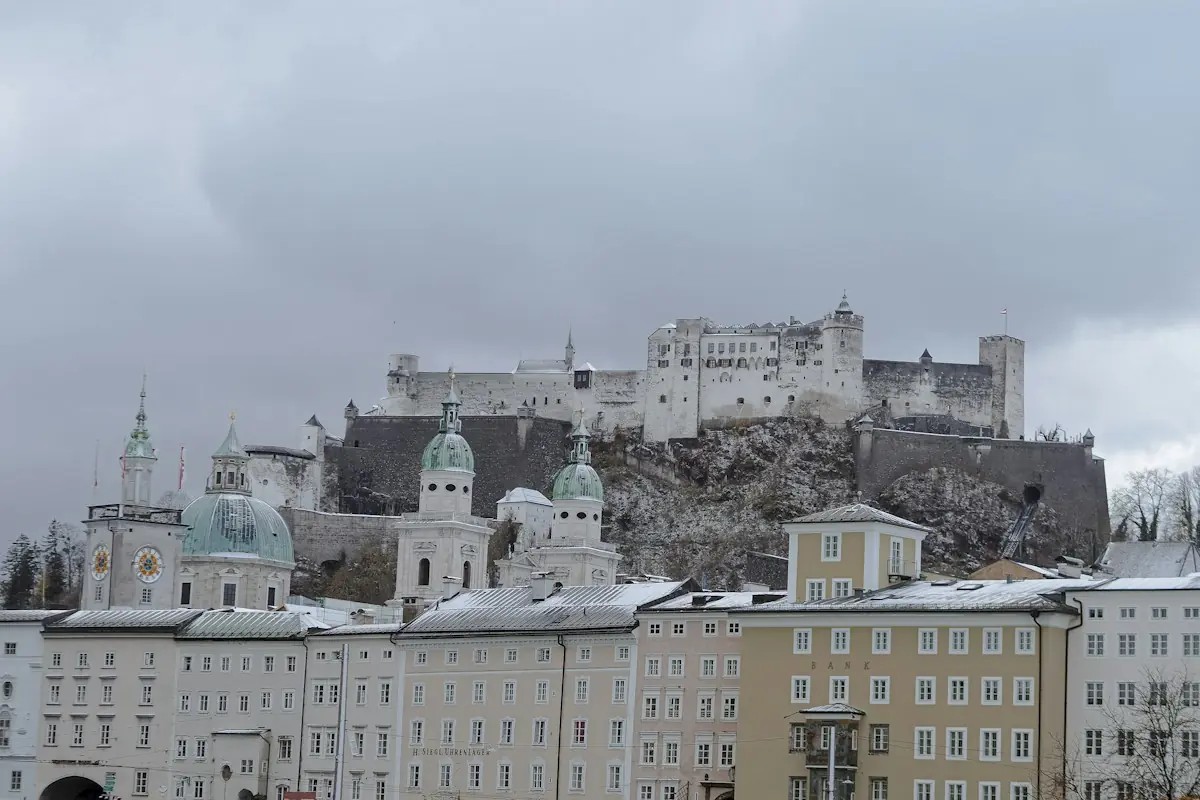
The Christkindl market in front of the cathedral, with the fortress lit up above the city, is one of the oldest and most romantic in the Alps.
Getting there on a budget: direct flights are few and far between. You're better off landing in Munich or Vienna and continuing by train or bus, which takes about two hours and about two and a half hours respectively.
Germany
Nuremberg
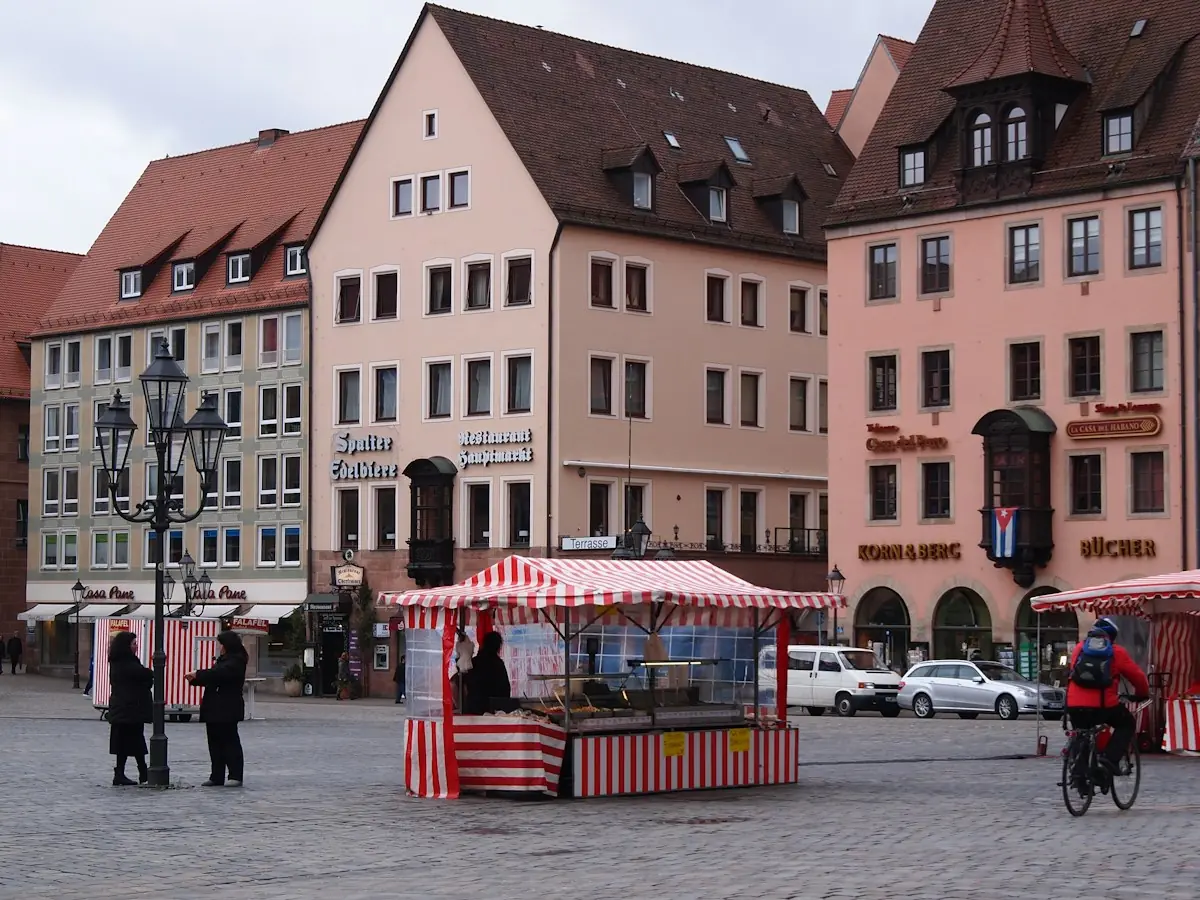
The Christkindlesmarkt on the main market square is perhaps Germany's most celebrated: gingerbread, Nuremberg sausages and the opening ceremony with the Christkind.
Getting there on a budget: fly to Nuremberg if there's a flight from your airport; otherwise fly to Munich and then it's about two to two and a half hours by train or bus.
Dresden
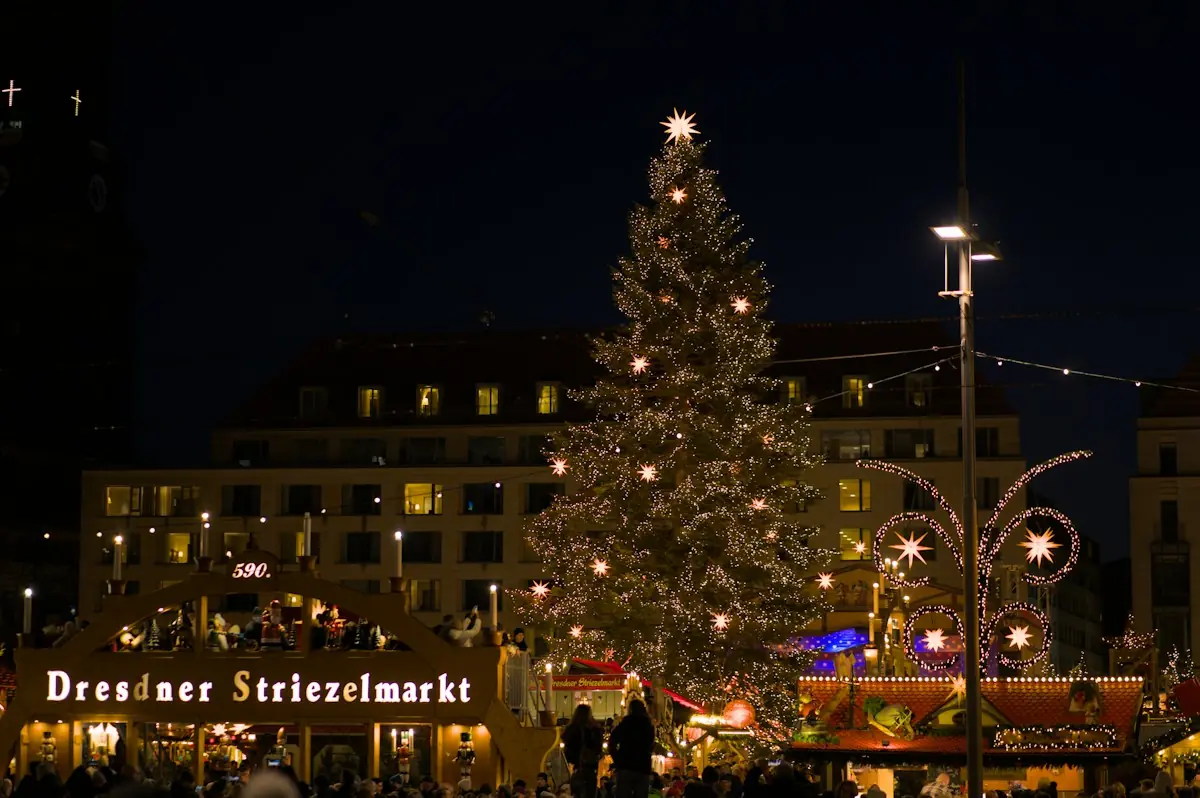
The Striezelmarkt, founded in 1434, is one of Germany's oldest Christmas markets; this is the place to eat Stollen, Dresden's Christmas cake.
Getting there on a budget: fly to Prague and take the bus for about two hours to Dresden, or fly to Berlin and it's about two hours by bus.
Munich
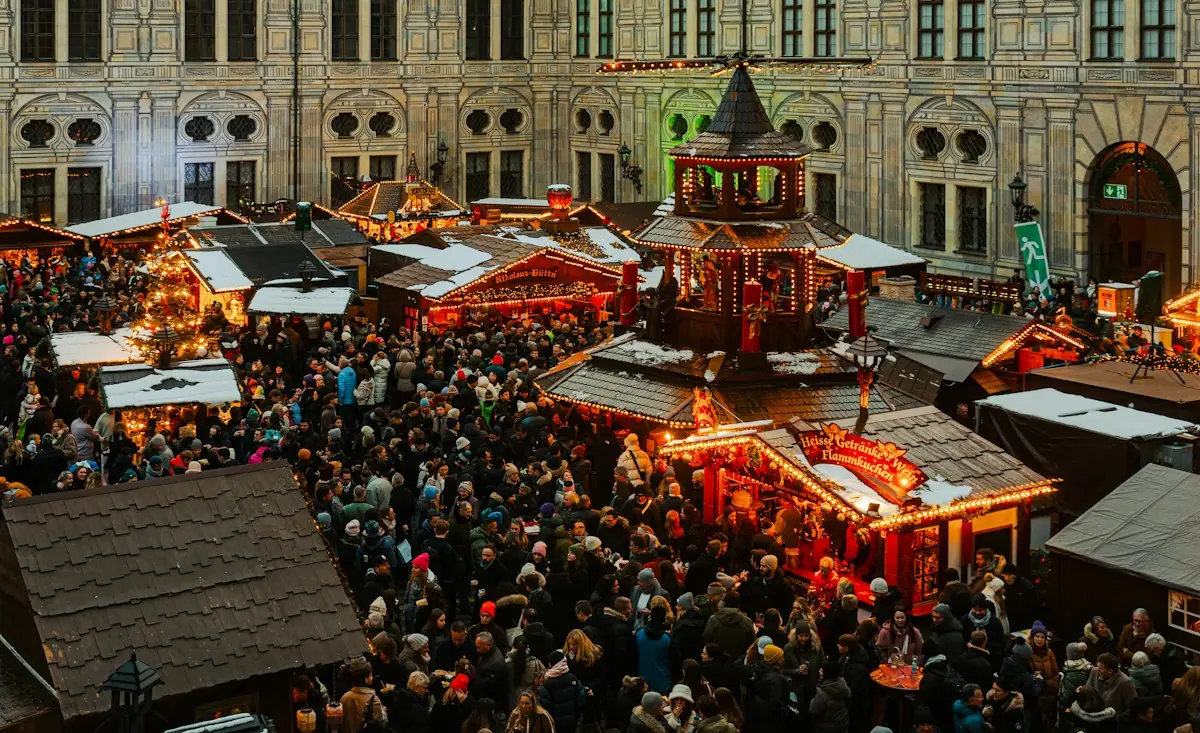
The markets on Marienplatz and in the medieval quarter are a Bavarian classic, with mulled wine and traditional sweets.
Getting there on a budget: fly to Munich, or to Memmingen and then take the bus or train, about an hour and a half to two hours.
Cologne
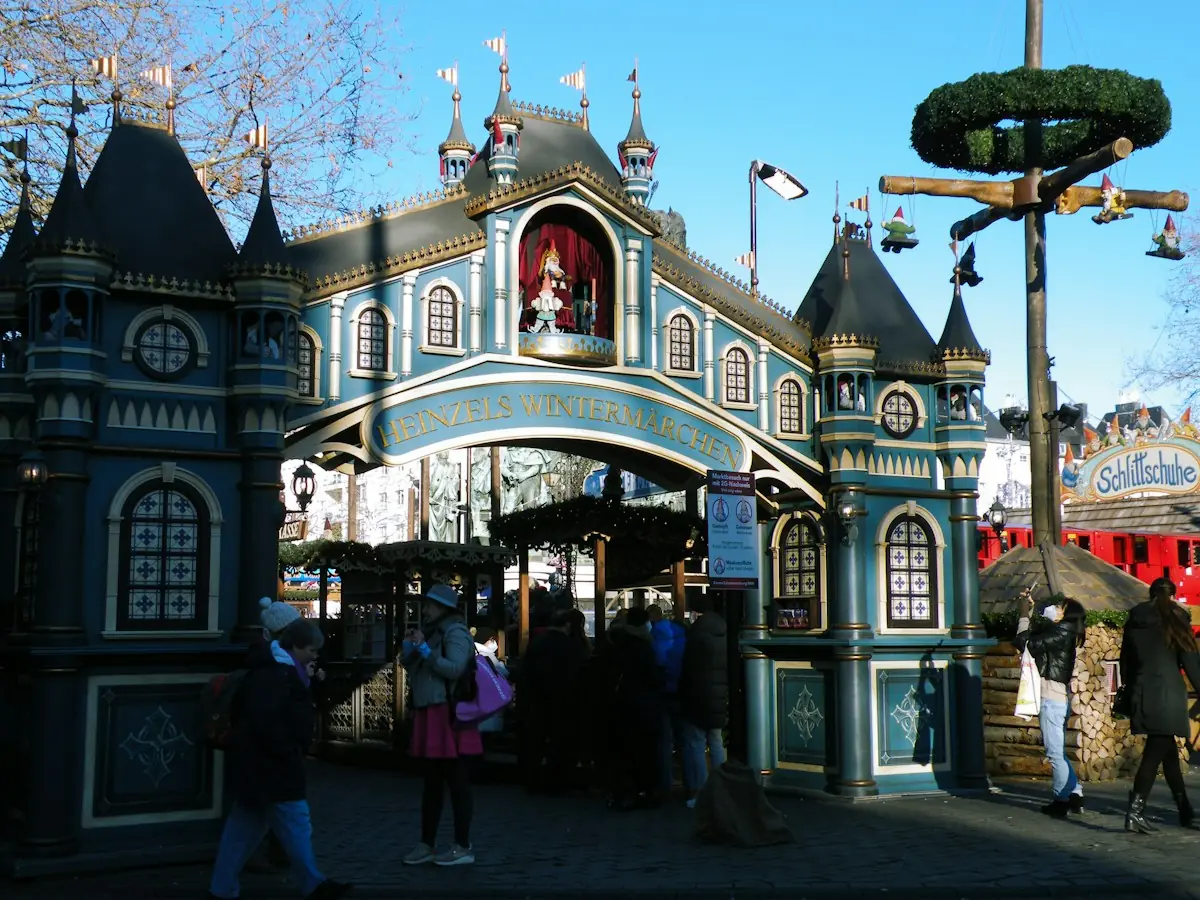
One of Germany's biggest, with a market at the foot of the cathedral and others all over the old town.
Getting there on a budget: fly to Cologne-Bonn, or to Düsseldorf or Dortmund and take the train or bus for about an hour.
Alsace and Switzerland
Colmar
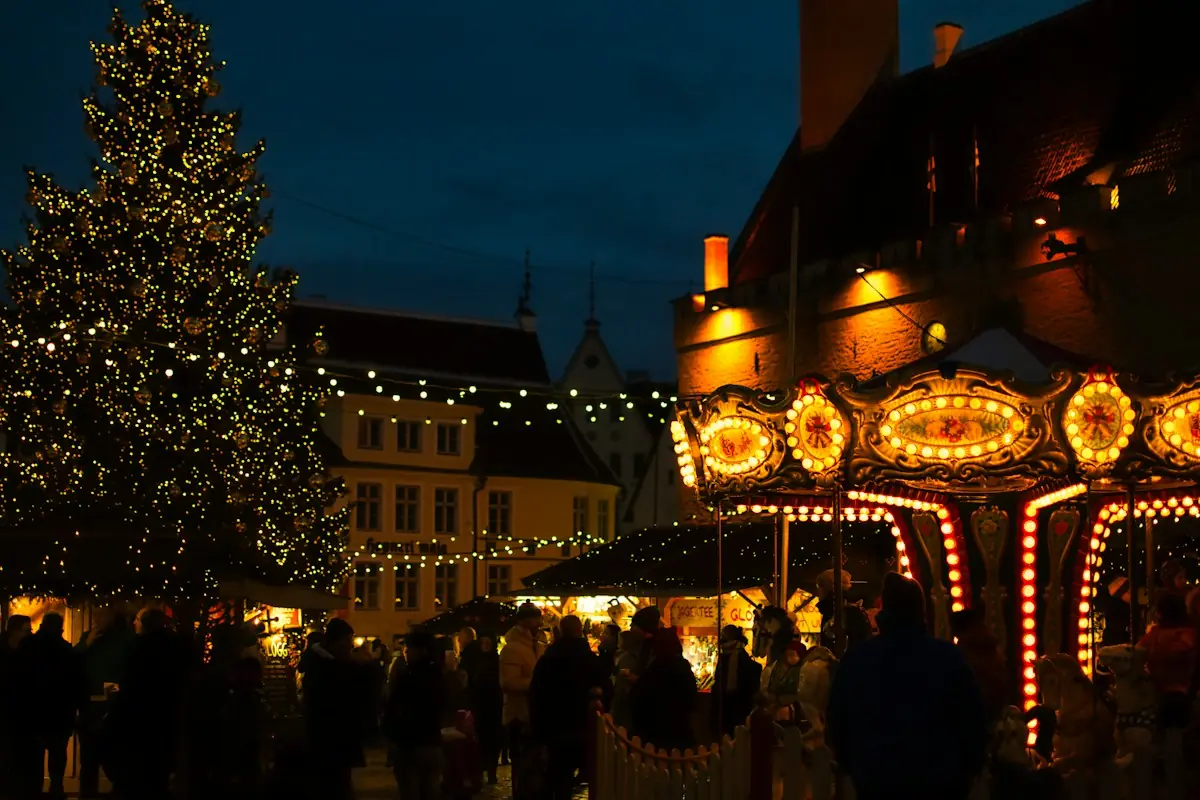
A fairy-tale town: half-timbered houses, the canals of Petite Venise and several markets scattered across the old centre. For many, it's the most beautiful Christmas in Europe.
Getting there on a budget: fly to Basel-Mulhouse and then it's about an hour by bus or train to Colmar each way. You can do it as a day trip or stay the night.
Strasbourg
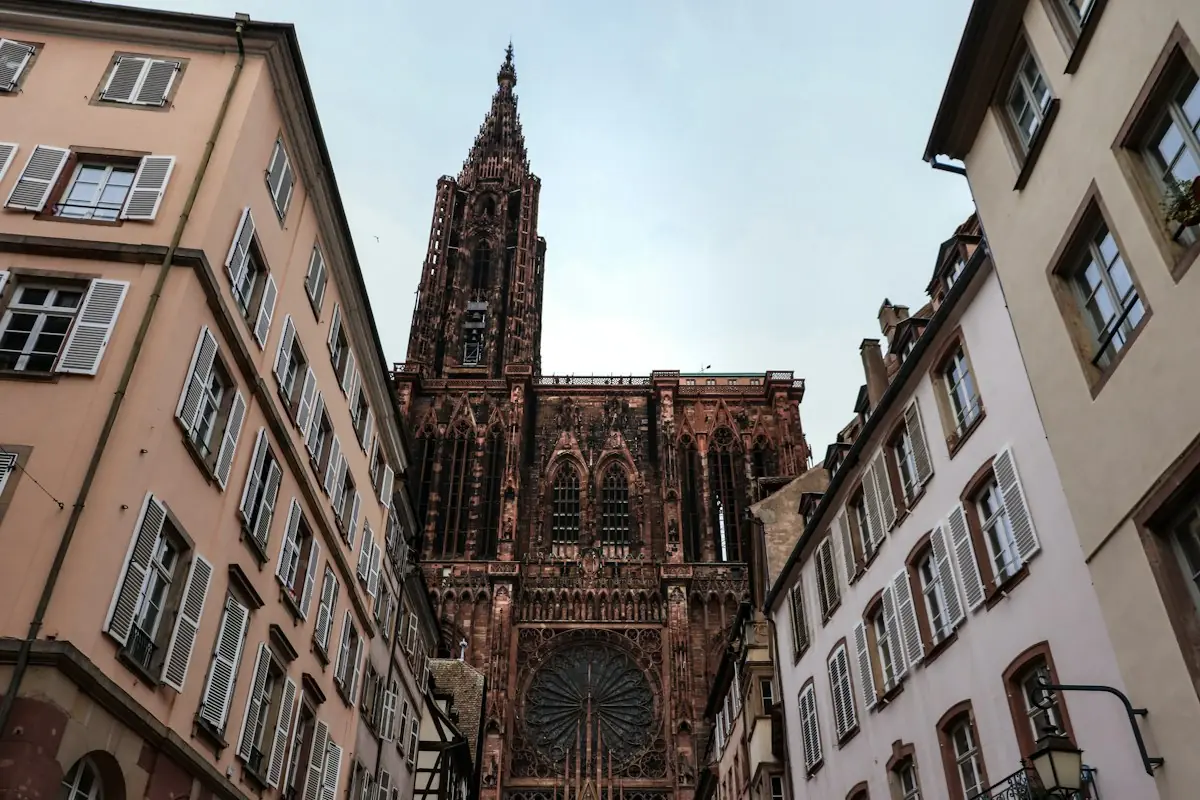
It calls itself the "Capital of Christmas": its market dates back to 1570 and fills the centre around the cathedral.
Getting there on a budget: fly to Basel-Mulhouse and take the bus or train for about an hour and a half to two hours, or fly to Karlsruhe/Baden-Baden and it's about an hour by bus.
Basel
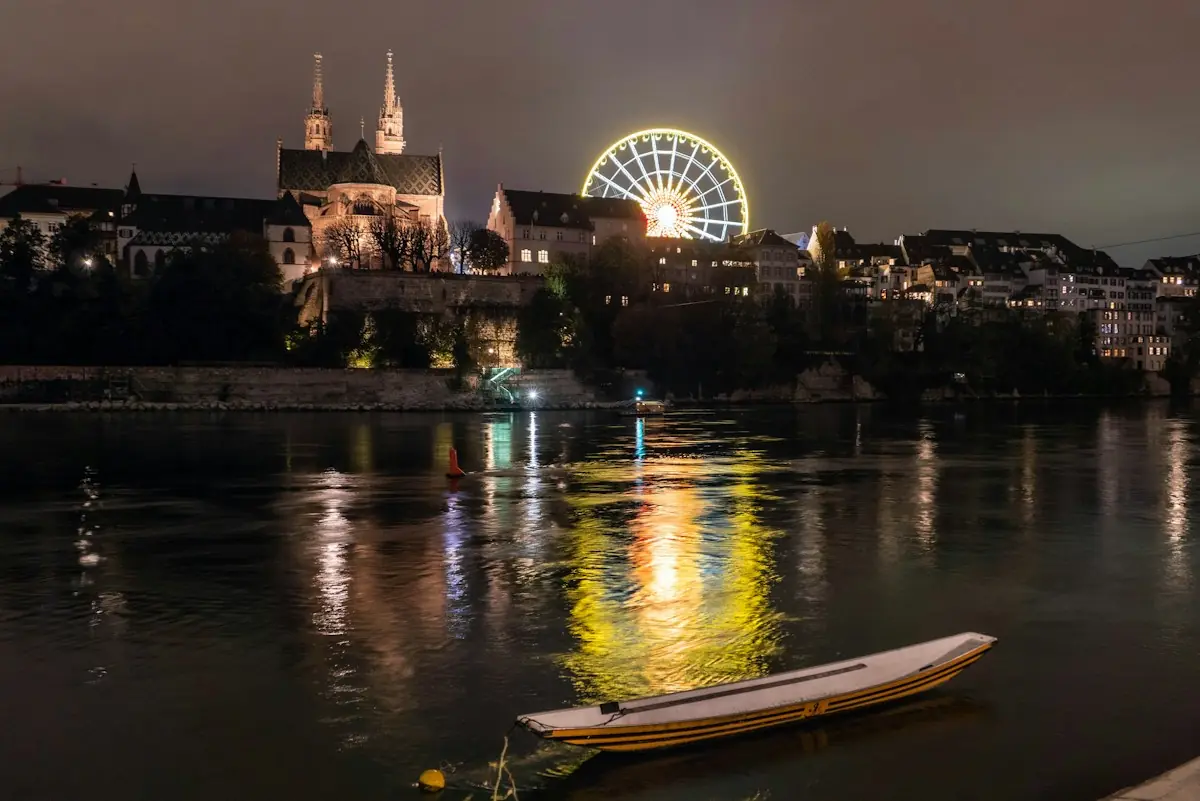
The markets on Barfüsserplatz and Münsterplatz are among the loveliest in Switzerland: compact and beautifully kept.
Getting there on a budget: fly to Basel-Mulhouse, just a few minutes by bus from the centre. It's also the perfect base for Colmar and Strasbourg.
Central and Eastern Europe
Prague
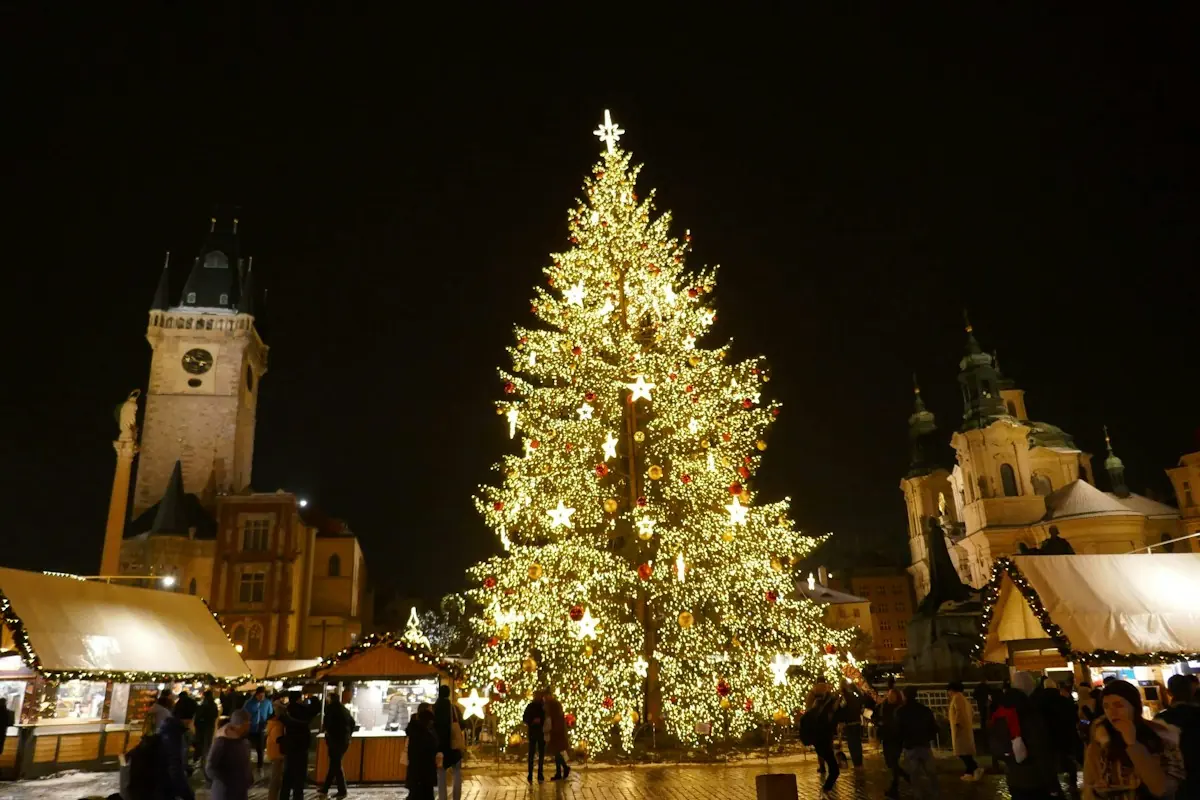
Old Town Square with its glowing tree is one of the quintessential images of Christmas in Europe; the market usually stays open until early January.
Getting there on a budget: fly to Prague. From there, Dresden is about two hours by bus and Vienna just over four.
Bratislava
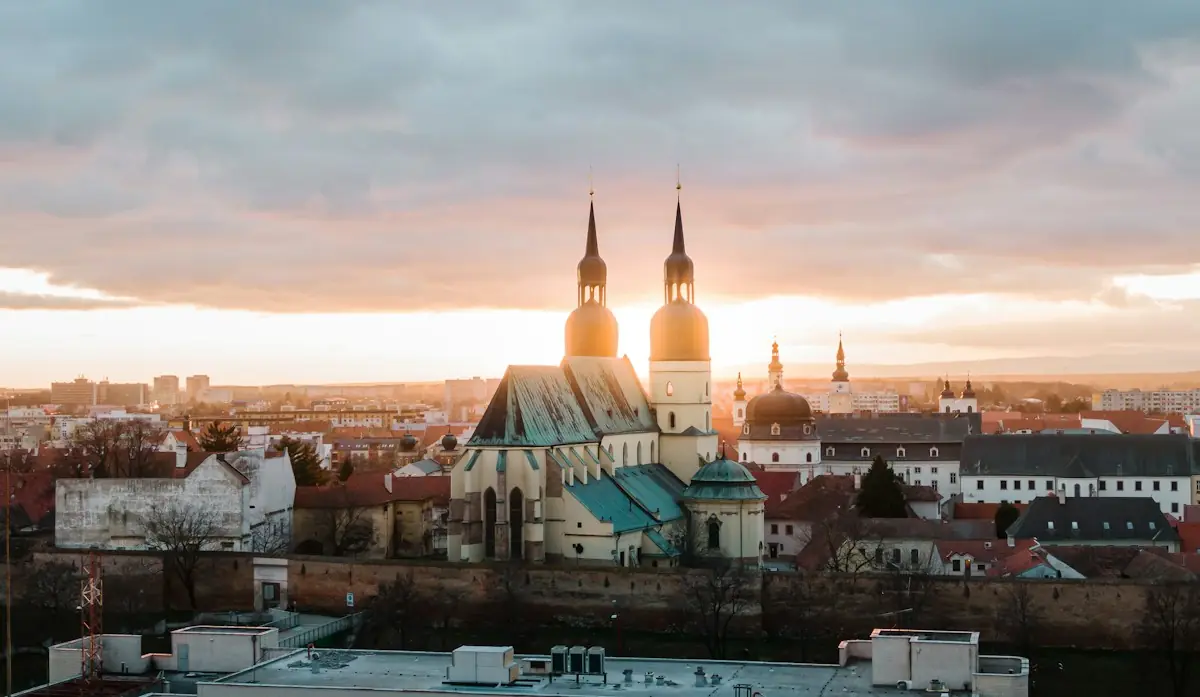
A compact market in the old town, lower prices than Vienna, and a small city you can explore on foot in a day.
Getting there on a budget: fly to Bratislava, often one of the cheapest options in the region; Vienna is about an hour away by bus.
Budapest
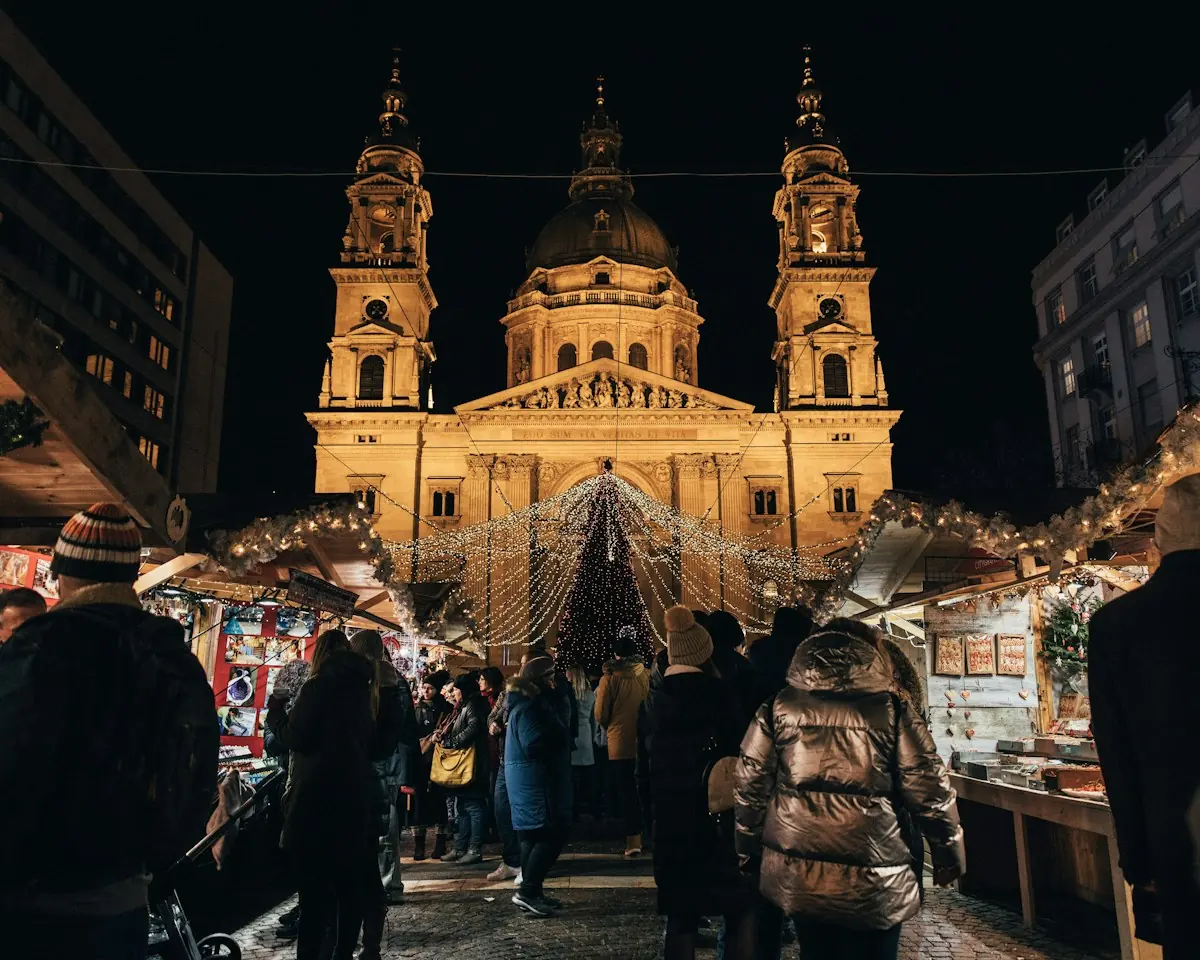
The markets on Vörösmarty tér and outside St Stephen's Basilica are among the most spectacular, with light shows projected onto the façade.
Getting there on a budget: fly to Budapest. Vienna is about three and a half hours away by bus.
Kraków
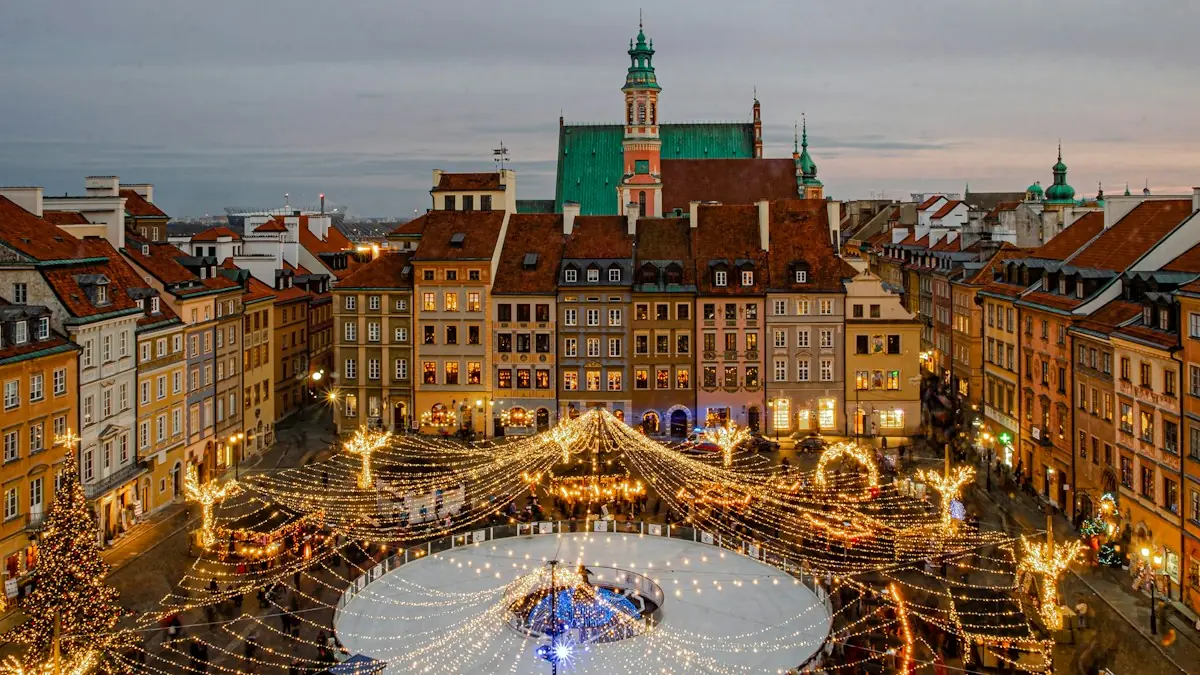
The market on Rynek Główny, the grand main square, in one of the cheapest cities in this guide for eating out and finding a bed.
Getting there on a budget: fly to Kraków.
Wrocław
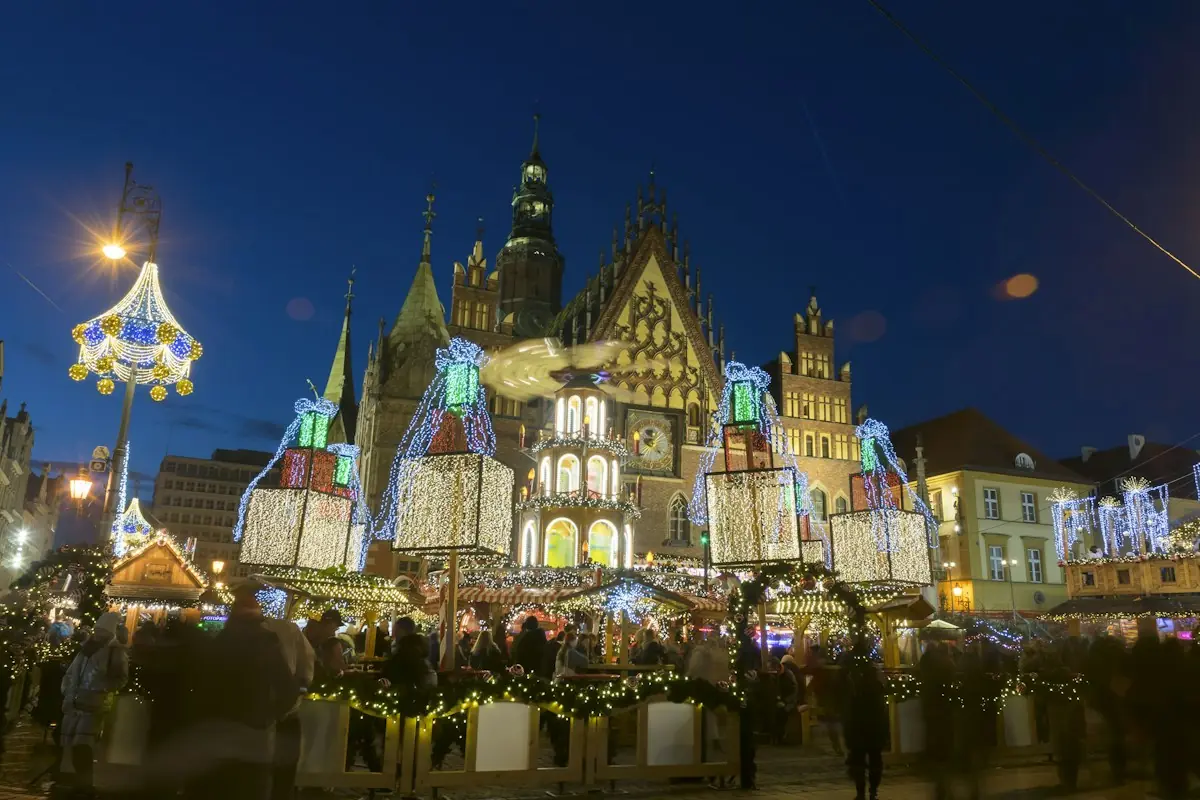
One of Poland's largest Christmas markets, set on the market square among colourful townhouses and the famous bronze dwarves dotted around the city.
Getting there on a budget: fly to Wrocław, or to Kraków and take the bus for about three hours.
Zagreb
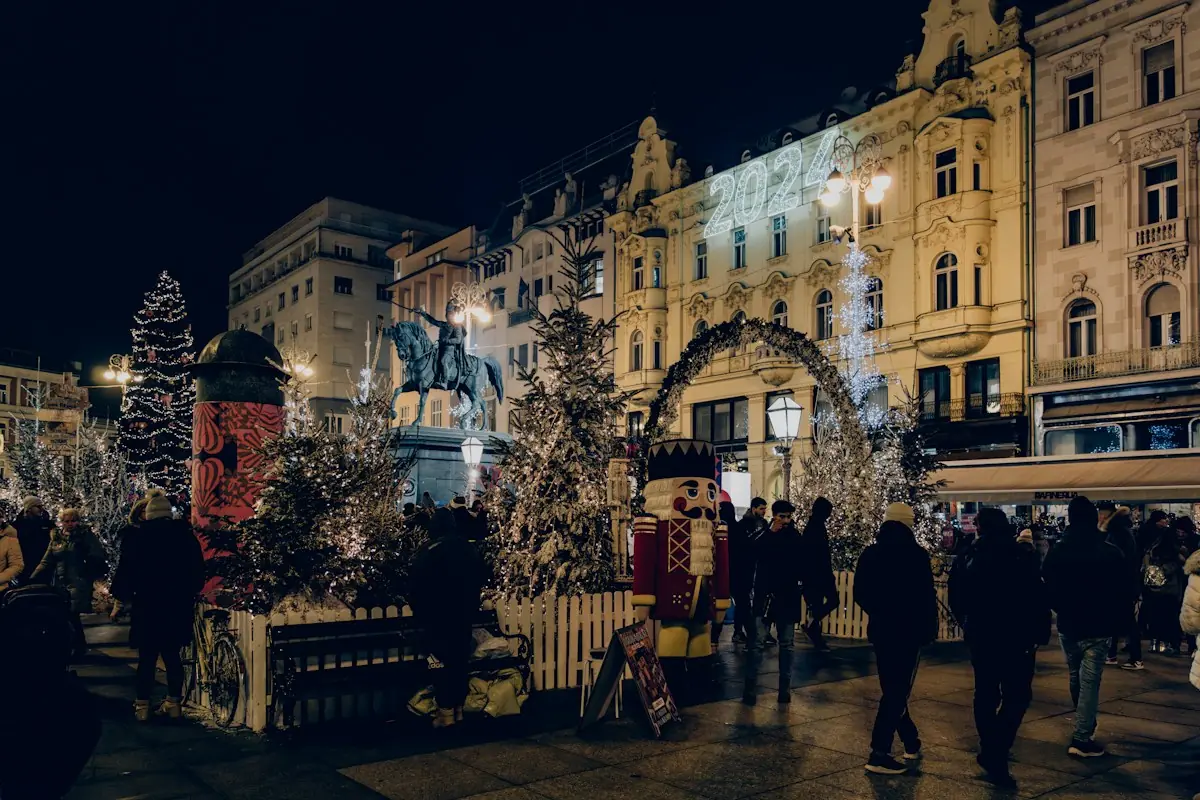
Advent in Zagreb has repeatedly topped European polls for the best Christmas market: lights throughout the centre, concerts and food stalls, often open until early January.
Getting there on a budget: fly to Zagreb.
Northern Europe
Tallinn
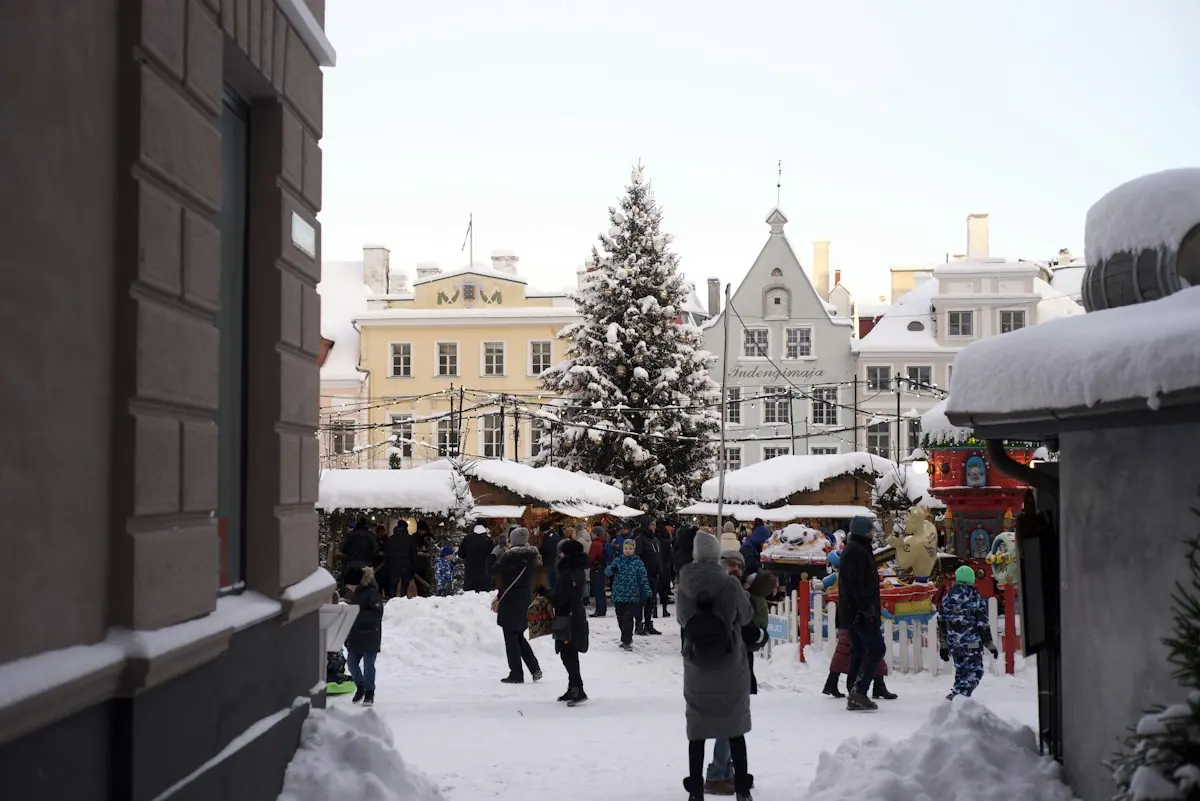
Town Hall Square with the tree in the middle is picture-postcard perfect, especially under snow.
Getting there on a budget: fly to Tallinn, or to Riga and take the bus for about four and a half hours.
Riga
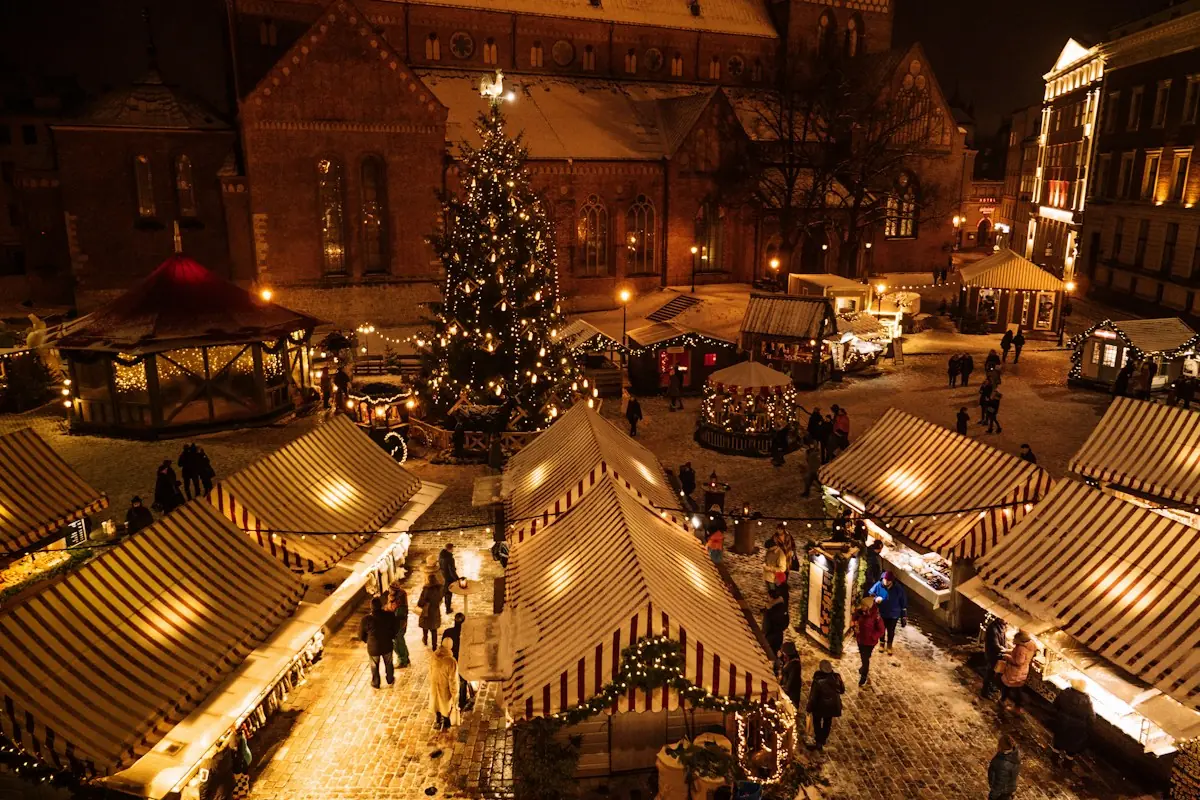
The market on Cathedral Square; according to local tradition, one of the very first Christmas trees was decorated in Riga in 1510.
Getting there on a budget: fly to Riga. From there, Tallinn and Vilnius are both about four hours away by bus.
Brussels
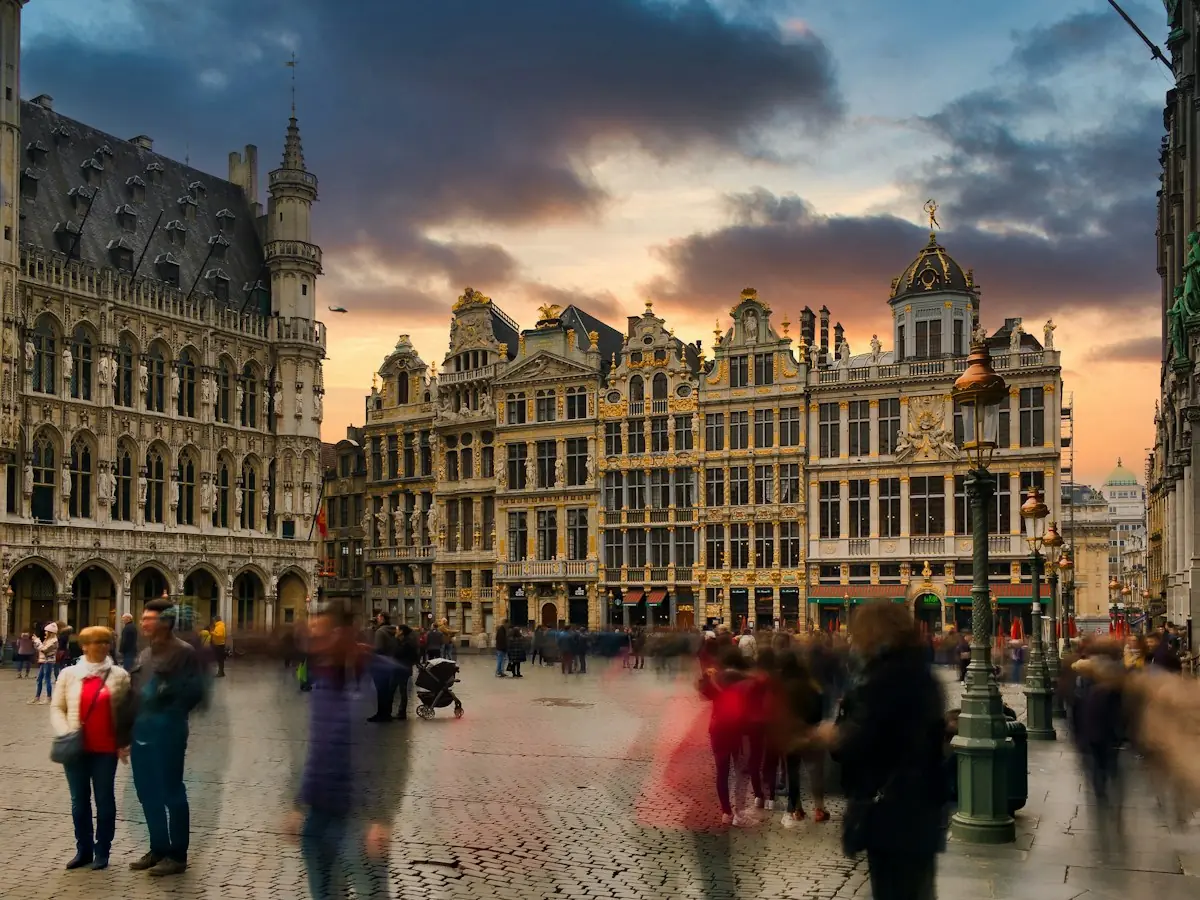
"Plaisirs d'Hiver" fills the centre with stalls, while the Grand-Place hosts the tree and the light shows.
Getting there on a budget: fly to Brussels-Charleroi and take the shuttle bus for about an hour to the centre, or fly to Brussels.
Several markets in one trip
The way to spend less and see more: stay a few nights in the city you fly into, then hop by bus or train to nearby cities and get back in time for your return flight.
| Trip | Approximate travel times between cities | How many nights |
|---|---|---|
| Basel → Colmar → Strasbourg → Basel | Basel–Colmar about 1 h; Colmar–Strasbourg about 1 h; Strasbourg–Basel about 1 h 30–2 h | 3–4 nights |
| Bratislava → Vienna → Budapest → Bratislava | Bratislava–Vienna about 1 h; Vienna–Budapest about 3 h 30; Budapest–Bratislava about 2–3 h | 4–5 nights |
| Prague → Dresden → Prague | about 2 h each way | 3–4 nights |
| Munich → Nuremberg → Munich | about 2–2 h 30 each way | 3–4 nights |
| Vilnius → Riga → Tallinn, flying home from Tallinn or heading back to Vilnius | Vilnius–Riga about 4 h; Riga–Tallinn about 4 h 30 | 5–6 nights |
FlyDown builds these trips automatically from the city you land in: a few nights there, the rest in nearby cities, with up-to-date departures and prices and a return in time for your flight.
How to spend less
- Book your flight early: for December, the cheap seats sell out sooner, especially at weekends.
- Avoid your own country's holidays and the weekends before Christmas: when it's a holiday at home, flights and markets fill up. In late November and December, for example, 8 December is a public holiday in Italy, Spain, Portugal and Austria (Spain also has Constitution Day on 6 December), 1 December is one in Portugal and Romania, and the United States has the Thanksgiving long weekend; the Advent weekends and the start of the Christmas school holidays are busy too. Monday to Thursday the markets are far more enjoyable.
- Check nearby airports: Basel-Mulhouse for Alsace, Memmingen for Bavaria, Bratislava for Vienna, Charleroi for Brussels.
- Travel light: with just the small bag, your flight stays at the base fare. Pack warm layers to wear, not to put in a suitcase.
- Stay outside the old town, near a public transport stop: during market season, accommodation prices in the centre climb steeply.
- The mulled wine mug: at many markets you pay a deposit on the mug, which you get back when you return it; or keep it as a souvenir.